
ADU & INTERGENERATIONAL LIVING
One Property. Room for the Whole Family.
Reviewed by Susan Pryor, Licensed Mortgage Loan Originator, NMLS #157369 — Updated August 2026
Last updated: August 2026
Key Takeaways
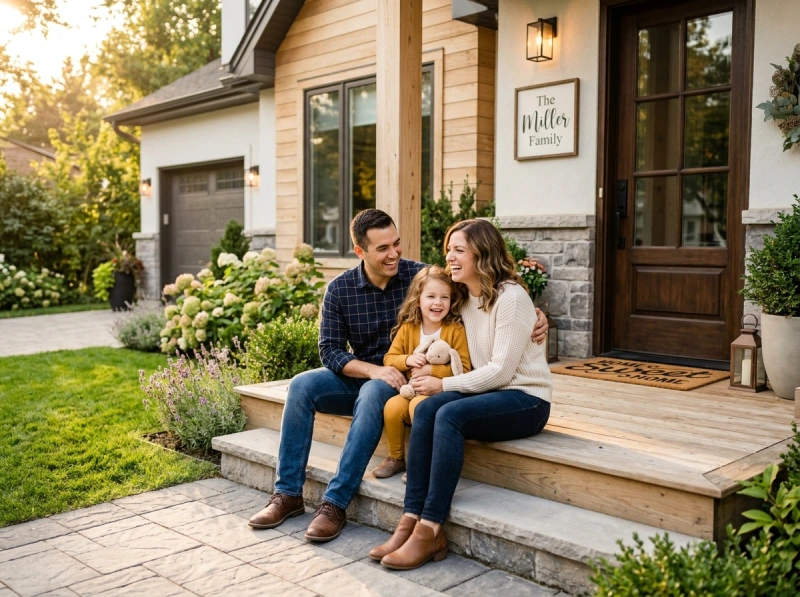
The cost of owning or renting a home has pushed a lot of families toward the same idea: one property, more than one household. Parents who shouldn’t live alone anymore. Adult kids who can’t touch today’s rents. A backyard that could be earning its keep.
That’s what an ADU does. And it’s one of the most financially powerful projects a homeowner can take on — more space for the people you love, more value in your property, and in many cases, income.
What counts as an ADU
An accessory dwelling unit is a self-contained living space on a property that already has a home: a new backyard cottage, a converted garage, a finished basement with its own entrance, or an attached addition. It has its own living area — which is what makes it a home for someone, not just a spare room.
Why families build them
01
To bring family in.
Aging parents stay close without giving up their independence. Adult children get a real start without paying a stranger’s mortgage. This is intergenerational living, and for many families it’s the only answer to today’s housing costs that actually works.
02
To create income.
A separate unit on your property can be rented. Local rules on renting an ADU vary by city and county — checking what your address allows is part of the feasibility work, not something to discover after you build.
03
To grow into your home instead of moving out of it.
If you love where you live, an ADU adds the space a bigger house would have given you — without giving up your address, your neighborhood, or your current mortgage rate.
How to pay for a building that doesn’t exist yet
This is the question that stops most people, and it has better answers than they expect.
If you have strong equity, a home equity line of credit can fund the build. If your equity today isn’t enough, this is where it gets interesting: some financing is based on the after-improved value — what your home will be worth once the ADU is complete, not what it’s worth now. That includes renovation-based equity lines, Fannie Mae HomeStyle loans (which specifically allow ADU construction), FHA 203k on a primary residence, cash-out refinances, and second mortgages built on the after-improved value.
Which path fits depends on your equity, your current rate, your credit, and the project. We put the options side by side with real numbers. Every renovation financing option, explained →
The hard part isn’t the loan — it’s the approval
Zoning. Permits. Architectural drawings. Builder selection. This is where ADU dreams usually stall, and it’s why Susan and Shandy opened a second business: Curated ADU Homes. We help you figure out what’s possible on your lot, get through the approval process, and choose a builder you can trust — and then the mortgage team finances it correctly. One team, start to finish.
The earlier you bring us in, the better we can shape the financing around the project. Talk to us before the architect, not after.
We live this
Susan hasn’t just financed ADUs — she’s built two of her own. There’s an ADU addition on her home, where her son lives. And on a rental house she bought in East Atlanta, she built an accessory dwelling unit on the other corner of the lot — essentially creating a duplex on one property. When we walk you through zoning, budgets, and what the build really costs, it comes from experience.
FAQ
Common Questions
Questions about your situation?
No pressure. Just answers.
About Southern Mortgage Authority — Susan Pryor, Branch Manager | Licensed Mortgage Loan Originator, NMLS #157369, has served 6,000+ clients over 25 years. Based in Marietta, GA and licensed in 13 states. Call 678-712-2063 or send us a message.
Susan Pryor NMLS #157369 | Ark-La-Tex Financial Services, LLC NMLS #2143 d/b/a Benchmark Mortgage | Equal Housing Lender. Not a commitment to lend. All loans subject to credit approval.